
On right track Tanzania-Zambia transportation enters new chapter in China-Africa friendship
 Add
Add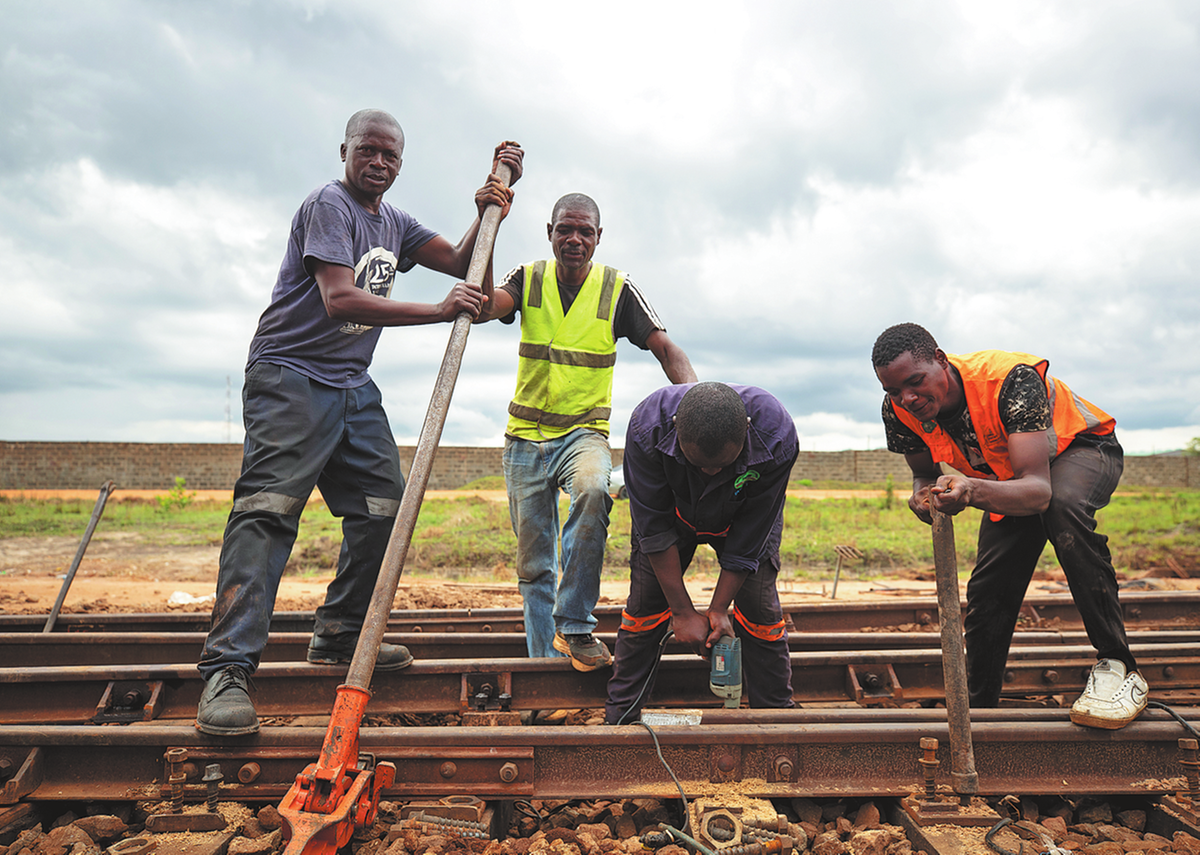
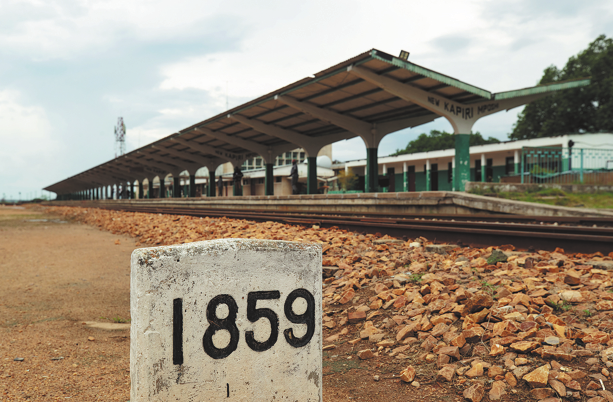
LUSAKA, Zambia — "Hello! My Chinese friend!" On the tracks at the New Kapiri Mposhi Railway Station in Zambia's Central Province, civil engineer Stanley Simushi greeted in fluent Chinese.
Simushi pointed to a group of workers replacing sleepers on a section of track inside the station. Using wrenches and crowbars, the crew removed fastenings and spikes, lifted the rails and installed new sleepers.
New Kapiri Mposhi is the terminus of the Tanzania-Zambia Railway, or TAZARA, which runs from Dar es Salaam, Tanzania, to this point in Zambia. The railway was built with interest-free loans from China and officially handed over to the governments of Tanzania and Zambia in 1976.
Inside the station stands a monument marking the full length of the line: 1,860.54369 kilometers. The precise figure reflects the effort of more than 50,000 Chinese engineers and construction workers who, over five years and eight months, worked alongside Tanzanian and Zambian colleagues — often with sweat, blood and sacrifice — to complete the line.
Chinese Premier Li Qiang said in November that China is willing to work with Zambia and Tanzania to advance the development of a prosperity belt along the Tanzania-Zambia Railway, and jointly foster a new hub of economic growth.
He made the remarks in Zambian capital Lusaka while attending the ground-breaking ceremony of the TAZARA revitalization project with Zambian President Hakainde Hichilema and Tanzanian Vice-President Emmanuel Nchimbi.
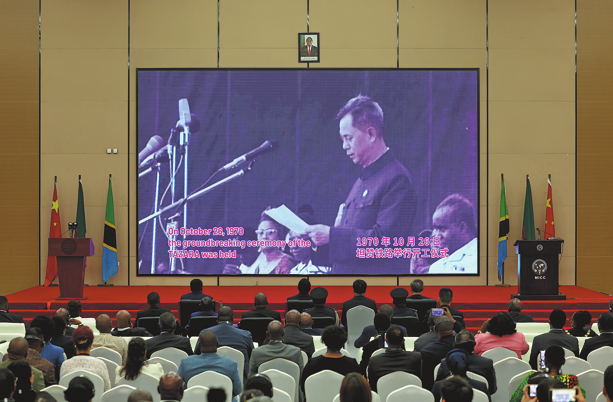
In September 2024, the leaders of the three countries witnessed the signing of a memorandum of understanding on the revitalization project of TAZARA.
With the project moving forward, the freight capacity is expected to reach 2.4 million metric tons per year, and shipping time could be cut by nearly two-thirds.
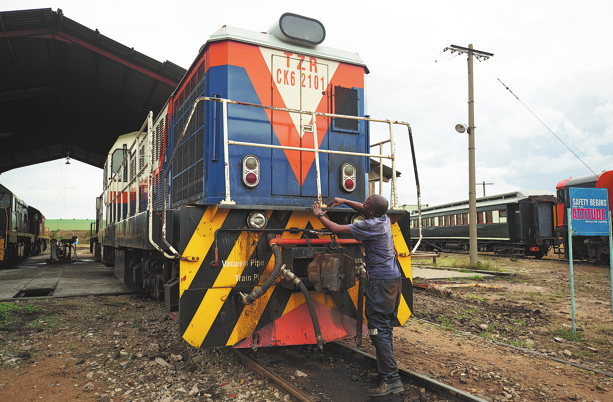
"Come, I'll take you to the locomotive depot. There are Chinese engines there," said train driver Jackson Masase, who has worked at the station for 20 years.
He said locomotives at the station come from different countries, "but the Chinese ones are the best — powerful and reliable."
He showed the reporter the driver's cab, pointing to a nameplate with details of a Chinese manufacturer.
Deepening ties
Station Master Mukololo Chanda later said what impressed him most was seeing how TAZARA brought convenience and vitality to residents along the route, adding the railway has helped deepen friendships with many Chinese colleagues.
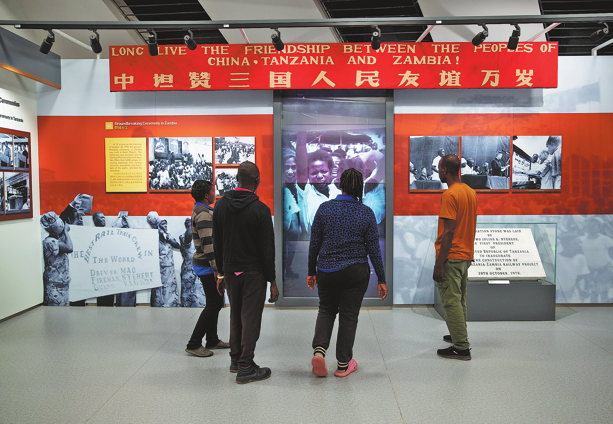
About 20 km northeast of Lusaka, the TAZARA Memorial Park preserves shared memories of the Chinese, Tanzanian and Zambian people. "I'm always deeply moved when I step in here," said staff member Tobias Lingweshi.
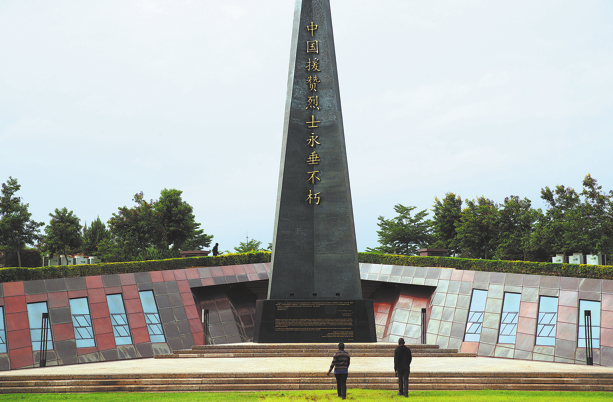
During the construction of the railway and related cooperation projects, 69 Chinese aid workers lost their lives — 18 of them in Zambia. Their tools, belongings and black-and-white photos are displayed in the park, capturing a period of hardship and determination.
Nearly half a century later, the "Iron Road" is entering a new stage of revitalization.
Zambia's Minister of Transport and Logistics Frank Tayali said the railway's revitalization aligns with the government's vision of becoming a land-linked nation and a logistics hub in southern and central Africa. The railway, known as "the road to freedom", is expected to boost regional trade, create jobs and support shared prosperity.
Bruno Ching'andu, managing director of the TAZARA authority, said that following the upgrading of China-Tanzania and China-Zambia relations to comprehensive strategic cooperative partnerships, the railway will take on an even greater role — not just in transport but as a key link in regional connectivity and Belt and Road cooperation.
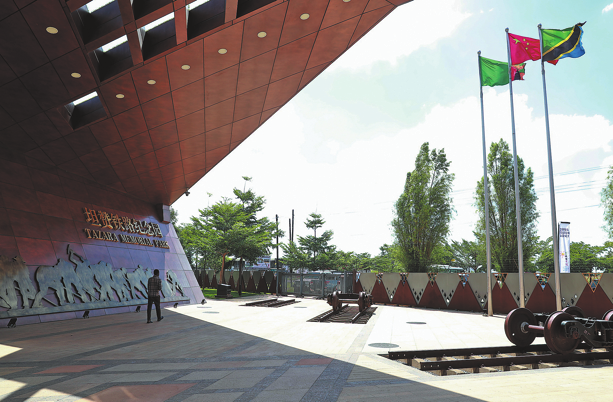
Staff member of the railway Lingweshi helps clean the memorial park every morning. It's not just work — it's a responsibility, he said, given that student groups and Chinese visitors frequent the park.
"I hope more young people will understand this history and why the friendship between Zambia and China runs so deep."
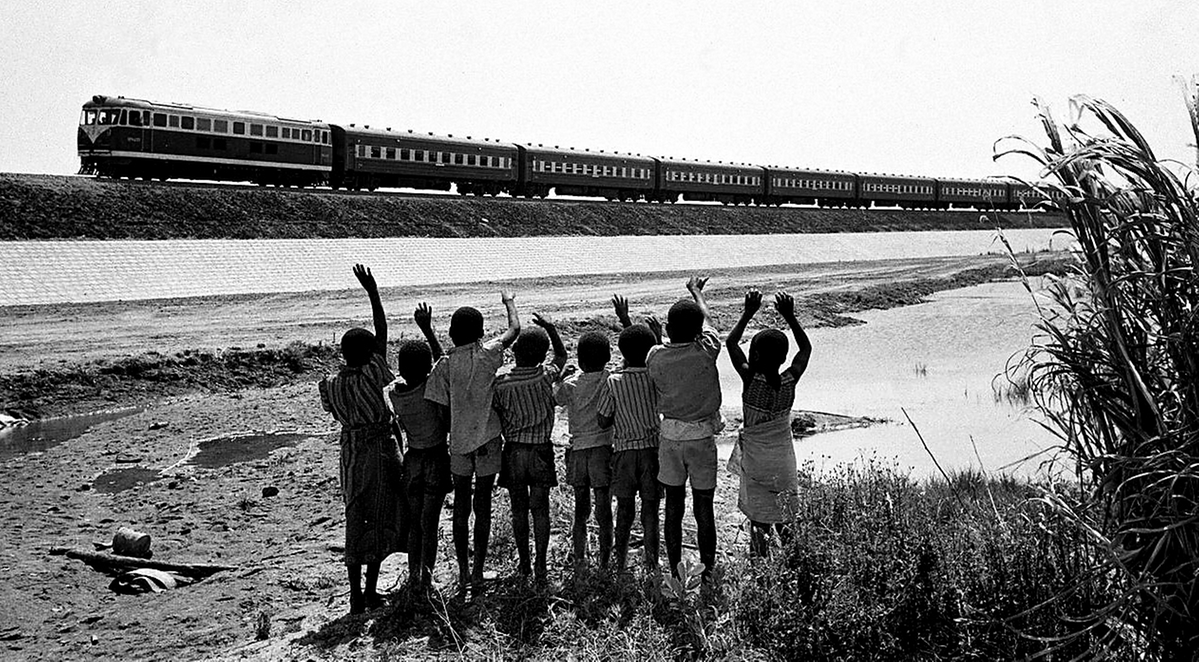
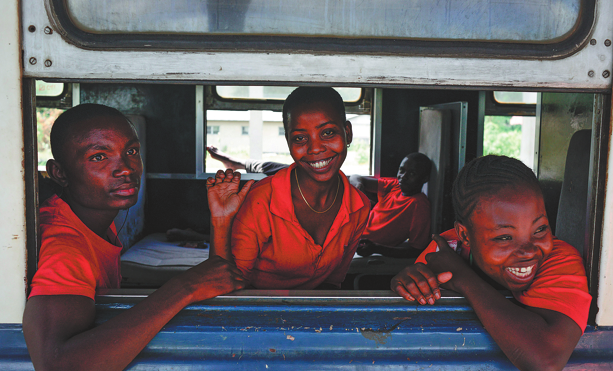
Children standing by Lake Rukwa in Tanzania cheer as a train running on Tanzania-Zambia Railway reaches their hometown in 1976. XINHUA